I was an architect first.

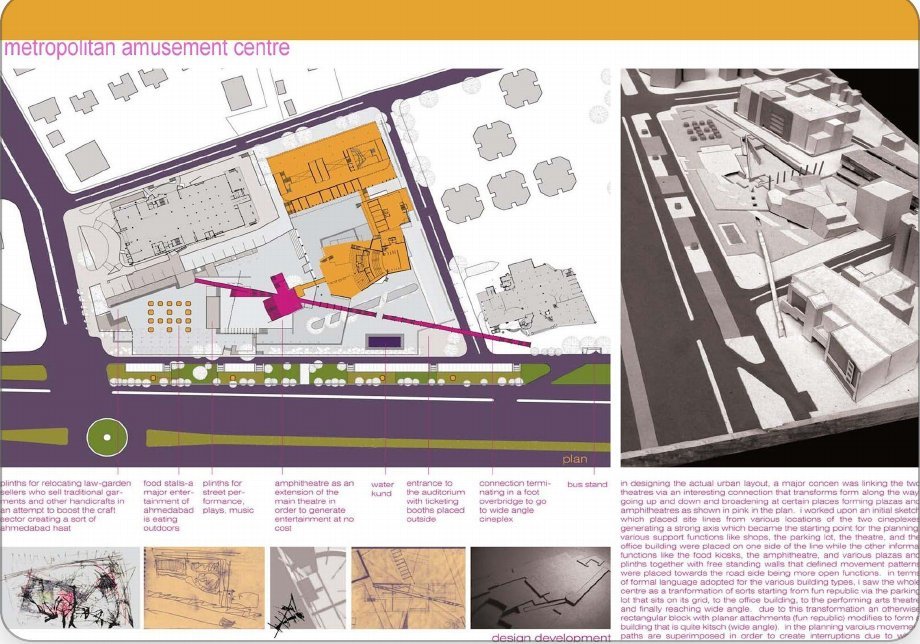
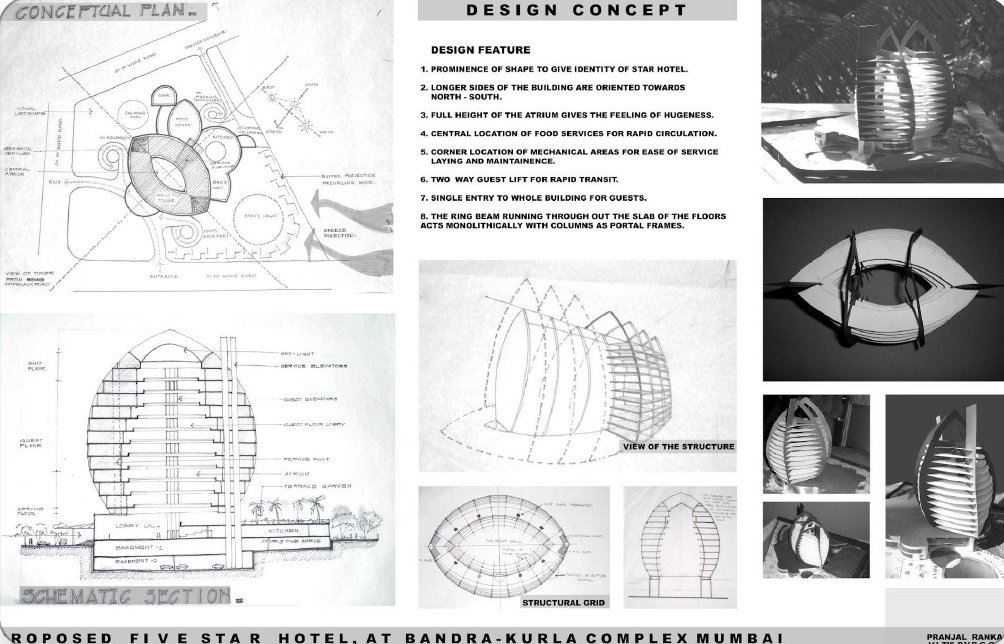
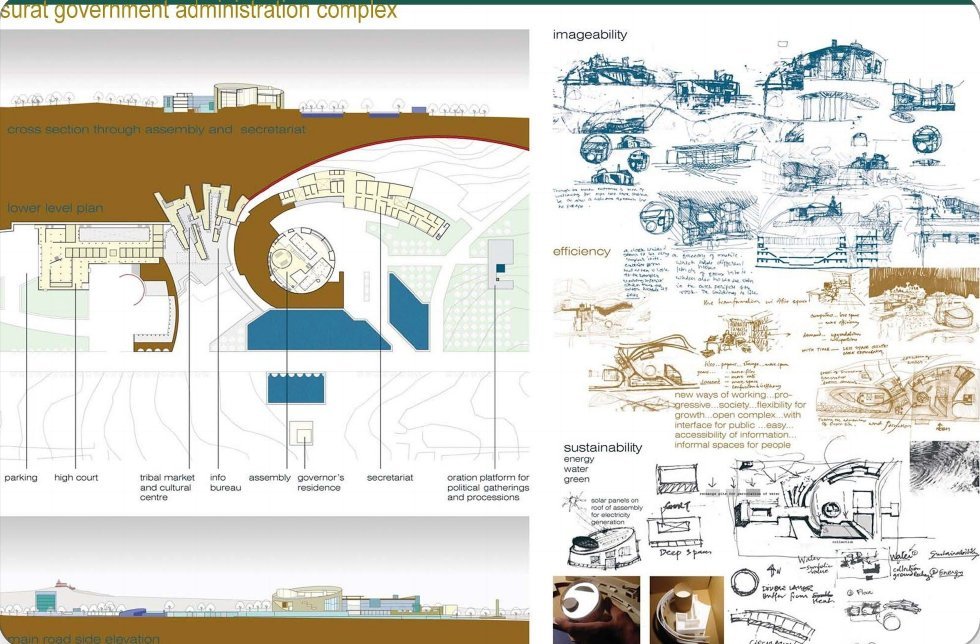
I studied architecture in Pune and in Lincoln, England, then worked as an architect at HTA Design in London, on residential and commercial interiors. When the 2008 property crash stalled construction, I moved into product design. It turned out to be the same job at a different scale: understand how people move through a space, then give that movement a structure.
I spent the next years designing MVPs for startups with 1designid, across London, Boston and San Francisco, and earned a master’s in interaction design at San José State. Since then I’ve designed enterprise products at 8x8, Equinix, Cohesity and Google, and spent six years at ServiceNow, growing from staff designer to senior design manager through three promotions.
Today I’m a design strategist at a stealth AI startup in Sunnyvale, and I’m looking for a player-coach design leadership role.
- 15+years designing enterprise software
- 6products across two business units at ServiceNow
- 18+executive vision demos that shaped roadmaps
- 3promotions in six years, IC to senior manager
Beliefs carried from architecture
- Start with the user.
- Prototype early and often.
- Many hands, one mission.
- Critique sharpens the craft.
- Modular systems enable scale.
How I work
Structure before screens
Before I draw an interface, I map the content, the tasks and the systems behind them. Content maps, information architecture and reference architecture are where most of my design decisions actually get made.
Play and coach
I’ve built teams from one designer to nine, and I still design alongside them. I care about craft and quality, and about giving designers room to grow.
Align the room early
Enterprise products have many owners. I run workshops early and often, from a two-day kickoff with eight teams at Equinix to nine discovery workshops at Google, and I use vision demos to make decisions concrete. At ServiceNow I led more than 18 for executives.
Keep people in control of the machine
Good AI should feel like the system is helping you, not taking over. That idea shaped Herald’s design principles in 2019, and it shaped how I approached AI agents and human-in-the-loop governance at ServiceNow.
Simplicity takes iterations
Complex products don’t become simple on the first pass. I’d rather ship a focused MVP, learn from it and iterate than ship everything at once.
Measure what changed
I tie design work to numbers the business already tracks, like support tickets, NetSat, adoption and order growth, so the impact of design is part of the roadmap conversation.
Experience
- 2026 – nowDesign StrategistStealth AI startup, Sunnyvale
- 2019 – 2026Staff Designer → Senior Design ManagerServiceNow, Santa Clara
- 2018 – 2019Lead UX Designer (contract)Google Core UX, Sunnyvale
- 2018Senior UX DesignerCohesity, San Jose
- 2015 – 2017Senior UX DesignerEquinix, Sunnyvale
- 2014 – 2015UX Designer8x8, San Jose
- 2009 – 2013UX Designer1designid, London, Boston and San Francisco
- 2006 – 2009ArchitectHTA Design LLP, London
Education
Master of Science, Interaction Design
San José State University, 2014
Master’s in Architecture
University of Lincoln, UK, 2006
Bachelor’s in Architecture
University of Pune, India, 2005
Talks and recognition
ServiceNow Knowledge, 2022, 2023 and 2024. Sessions on AI innovation, user-centered transformation and design methodology.
Global Innovation Award, ServiceNow, four times, for the Asset Management redesign program.
Best IoT Application, NGON & Optical DCI Awards, for Equinix IBX SmartView.
Outside work
I travel as much as I can, 28 countries and counting, and I take a lot of photographs along the way. I’ve run a few half marathons, and I live in the Bay Area.